
Software with Moat-worthy Characteristics
Some Quick Thoughts on Software and Moats

When it comes to investing, software is an area I generally tend to avoid. While it’s a popular choice with many investors due to the exciting dynamics of the industry, relatively high growth, attractive gross margins, and low capital intensity, I personally feel that the industry lacks the characteristics needed to establish durable, long-term competitive advantages. This doesn’t mean you can’t make a lot of money investing in these stocks, just that I don’t find them to be “sleep well at night” companies to own long-term. That being said, there are several names I think may possess the factors needed to establish a moat. This article covers a few of them at a high level.
Cadence Design Systems & Synopsys
Cadence and Synopsys are the two largest players in the electronic design automation (EDA) software industry, which is used for the planning, design, and implementation of semiconductors.
What Makes it Moat-worthy?
EDA software is the foundation of modern semiconductor design. With the ongoing innovation arms race across artificial intelligence, machine learning, and big data, designing industry leading chips is essential. This arms race scenario means companies need to have proven software capable of helping them meet their goals and objectives. They can’t afford to risk changing to unproven alternatives, or commit time and resources to migrate tech stacks and risk falling behind the competition. While there are a number of open-source solutions out there, none provide the breadth of solutions that Cadence or Synopsys do.
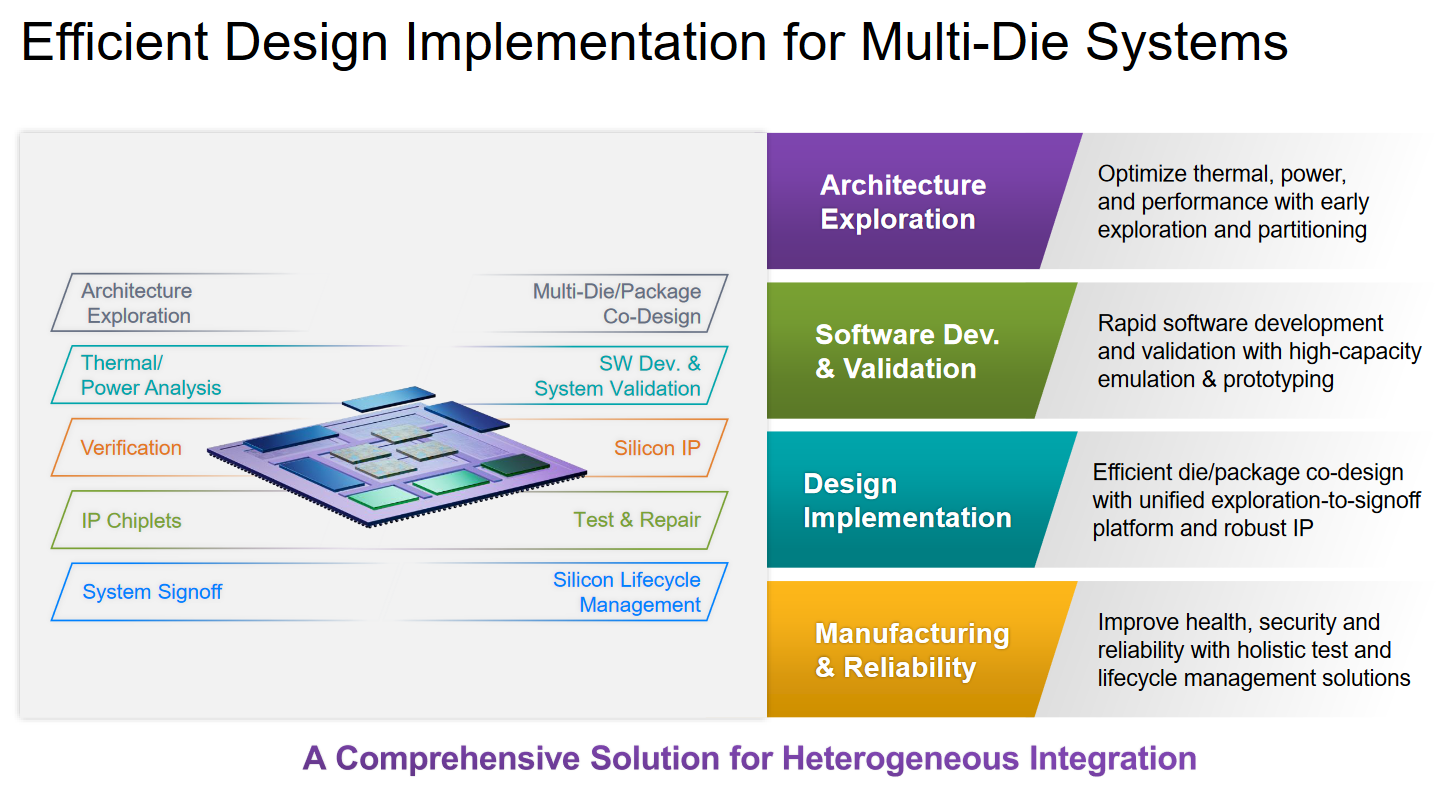
Another factor to consider is that engineers often become accustomed to certain software and automation tools early in their careers, which may prevent an incentive to switch, even if more refined solutions are available (this might also apply to Autodesk and its AutoCAD suite). Each company’s software has its own learning curves, programmatic interfaces, UI layouts, and unconventional quirks. There also tends to be years of legacy design and IP built within Cadence or Synopsys software that couldn’t be easily ported to another platform.
There’s also a minor network effect where all of the major chip designers use this software, so for someone looking for a job or changing jobs/companies, its within their best interest to be familiar with the industry standard, Cadence and Synopsys. Everyone uses it and everyone is building new designs or on top of existing designs within these platforms.
While all of the large companies in this space already use Cadence and/or Synopsys (many actually use both for different parts of the design process), overall demand for semiconductors and semiconductor design continues to grow. Consider that a decade ago Apple wasn’t designing their own M chips for their MacBooks. Companies like Google are now designing processors to handle company-specific AI processes. Unlike chips themselves, spending on EDA software for chip design and R&D is relatively non-cyclical. Again, companies don’t want to risk falling behind competitors and many chip industry leaders are massive cash flow generators. Cadence, for example, has grown sales every year since 2010, with 9 of those years being double-digit growth.
Guidewire Solutions
Guidewire makes software solutions for the property and casualty (P&C) insurance industry. The company’s solutions include applications for managing policies, billing, claims, underwriting, reinsurance, and data management.
What Makes it Moat-worthy?
P&C insurance is a complex, highly regulated, and slow-moving industry. Many companies in this space use expensive, highly-integrated legacy systems built over many years (or decades) to accommodate different insurance rules, regulations, and proprietary data. Guidewire helps simplify the ecosystem for insurers and allows them to focus more on underwriting and data & analytics instead of supporting and upgrading technology systems.
Once an insurance company integrates Guidewire’s solutions, the likelihood of migrating away is relatively low. Doing so would require building their own solutions or switching to an alternative and re-learning everything in addition to handling the data migration. During that time, they would also need to continue paying for Guidewire until their alternative is configured and ready to use, assuming the new solution works out.
It’s important to remember that insurance companies are not tech companies nor are they trying to be. Technology enables their operations but it isn’t their primary focus. Moving fast, data migration, and bringing new systems online isn’t a page in their playbook. They tend to operate in a relatively conservative fashion and are content using older systems so long as they are proven and (mostly) reliable.
Together, these factors make switching costs high. If switching, there is also risk associated with ensuring that customer data is properly protected, audit trails are maintained, and all processes are compliant. By using Guidewire, insurers save on operating and upgrading costs by reducing the technical maintenance of their policy, billing, and claims systems.
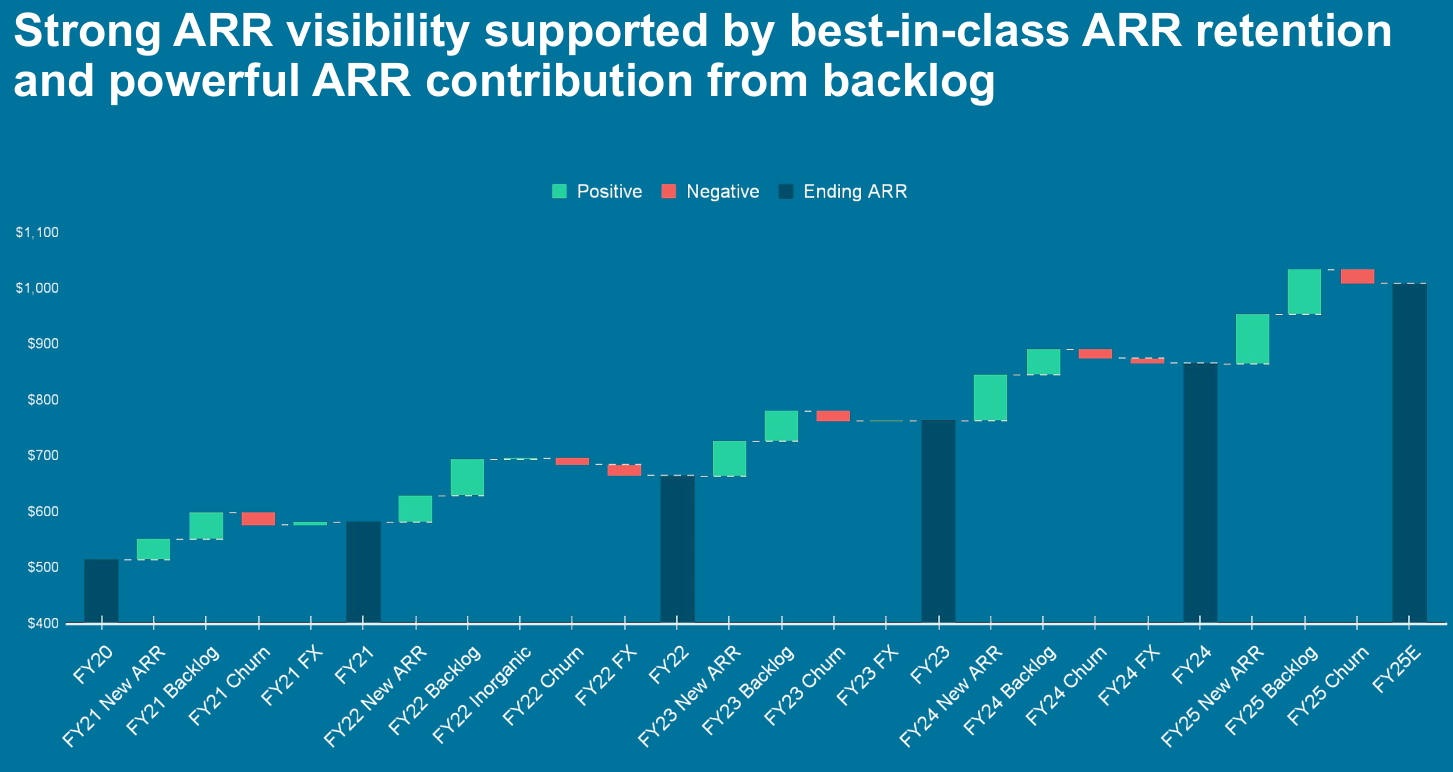
Software designed for insurance, and P&C insurance in particular, is relatively niche. Sapiens International, Duck Creek and Majesco are Guidewire’s main competitors, with several other smaller players competing in specific parts of the insurance ecosystem. It’s unlikely this area would attract larger, better capitalized players. It’s also possible that over time the industry trends toward an oligopoly of 3-4 players controlling 90%+ of the market. This scenario would lead to increased pricing power for these businesses. Given the slow but steady rate of adoption by insurers, there is still a long runway of growth ahead for this industry.
SPS Commerce
SPS Commerce makes supply chain management software to help companies streamline their inventory management and relationships with suppliers.
What Makes it Moat-worthy?
The core of SPS’ solutions are centered around the concept of electronic data interchange, or EDI for short. EDI is all about standardizing electronic data formats for invoices, orders, shipping information and other notices. Without some sort of EDI system, a retailer might use several, non-integrated services in addition to manual processes and multiple lines of communication such as email, phone, and fax. This patchwork of solutions reduces operational efficiency as well as increases the risk of inventory management mistakes being made.
To achieve standardization, both a retailer using EDI and their suppliers would need to integrate with the same software platform. As an example, Walmart is listed as a customer/partner on SPS website. For Walmart to migrate to SPS, they would also need their suppliers and distributors migrate. It’s possible that some of the suppliers that sell to Walmart also use SPS solutions to interact with other retailers as well. This creates a network effect driven by a standardized data exchange format, or a “common language” between users on the network. If a large number of retailers and suppliers are using SPS, then a new supplier added to the network will immediately be able to communicate with all of the existing users.
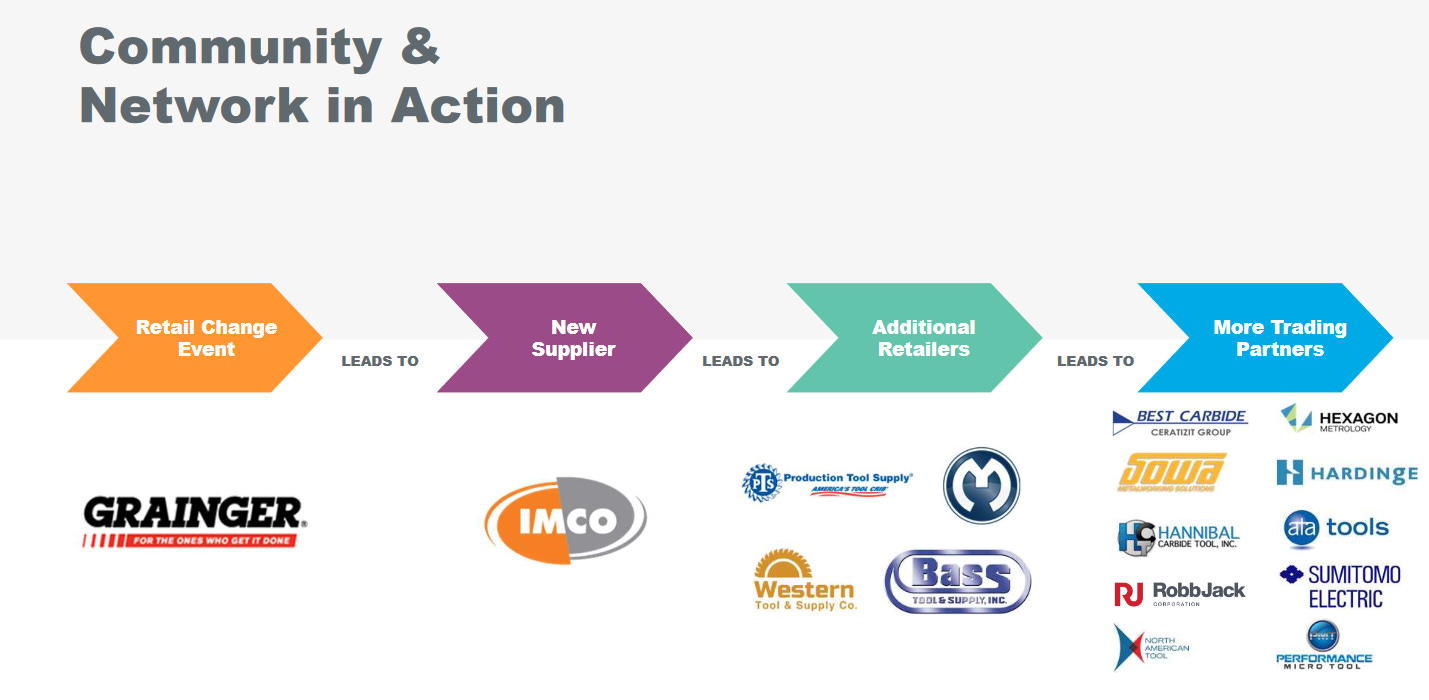
Alongside the network effect, another important factor to consider are switching costs. Switching to a competitor doesn’t just mean Walmart needs to change. It means their suppliers need to change as well. The total effort to do so would be significant, making it more likely these companies stick with their existing solution, so long as it continues to meet their needs. SPS solutions also integrate with other common enterprise software solutions, such as enterprise resource planning (ERP) solutions from Oracle and Microsoft, further entrenching their position in a retailer’s operational ecosystem.
Customers featured on SPS’ website include Walmart, Walgreens, Kroger, Amazon, Fastenal, and Grainger. Partial or full competitors in this space include TrueCommerce (private), Open Text, Manhattan Associates, and Descartes Systems. SPS and TrueCommerce are the pure play names in this space, while the others also operate in other areas of the supply chain, or outside of it. Industry wide, the adoption rate is still relatively low and there is a long runway for expansion and consolidation.
Summary
EDA, P&C, and EDI are three relatively niche industries backstopped by potentially moat-worthy software businesses. Switching costs and network effects are two traits that these types of businesses have in common. While the rate of change in technology continues to be high, there may still be pockets of software that have staying power and durable economics despite a rapidly changing world. Cadence/Synopsys, Guidewire, and SPS Commerce aren’t the only companies I think have defensible business characteristics, but they are some of my favorite ideas in this space.
Disclosure
This post expresses opinions solely of the author. The author is not receiving compensation on behalf of and has no business relationship with any company whose stock is mentioned in the post. Data, forecasts, and predictions shared in this post are for informational purposes only and are not guaranteed to be accurate or correct. This post is not an endorsement to buy, hold or sell. Investing carries risk. Always do your own due diligence before making investment decisions or putting capital at risk in the market.
Great analysis. Your point on EDA (Cadence/Synopsys) highlights a “Workflow Moat” when software is the environment where IP is built, the risk of design failure makes switching costs massive. Similarly, SPS Commerce illustrates a classic network effect; as more retailers adopt their '”common language,” the platform becomes a mandatory utility for the entire supply chain.
How do you view the impact of Vertical AI on these moats? Could AI-driven automation eventually lower the high learning curves that currently protect companies like Guidewire, or does their control over proprietary data schemas make them the ultimate winners?